3M Tape for Industry: How to Choose the Right Type
Learn how to choose 3M tape for industry by material, bond strength, temperature, and application so it fits your production and assembly needs.

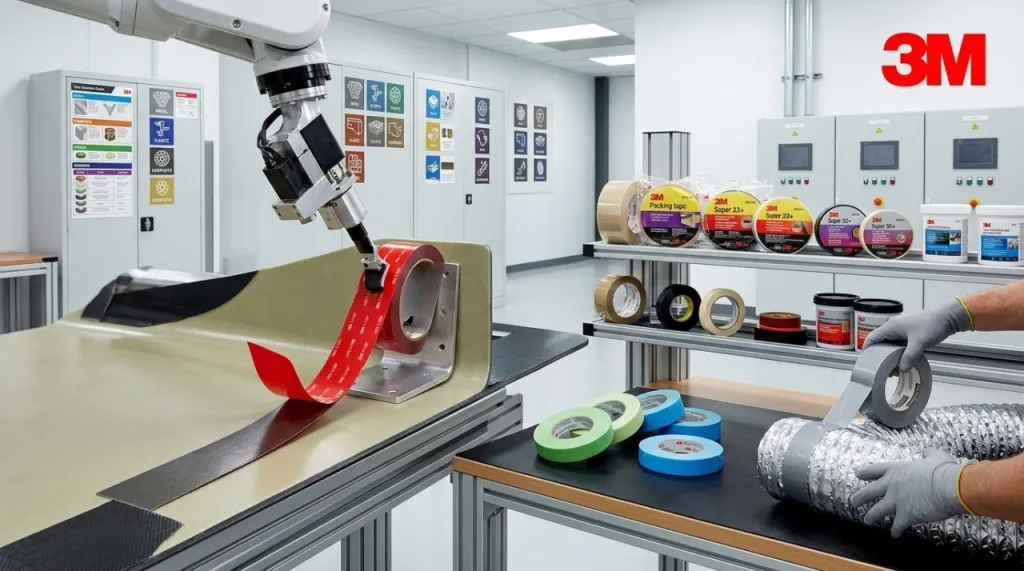
3M tape for industry is an adhesive tape used in assembly, material joining, masking, surface protection, and other manufacturing tasks. Product selection should consider the type of material, bond strength, operating temperature, environmental exposure, and application method. Understanding these needs helps a company choose 3M tape that fits its processes and production standards.
Contents
- Key Takeaways
- Introduction
- What Is 3M Tape for Industry?
- Types of 3M Tape and Their Industrial Uses
- How to Choose 3M Tape for Industry Based on Your Needs
- Selection Table for 3M Tape for Industry
- How to Use 3M Tape for Better Bond Results
- Mistakes to Avoid When Choosing Industrial Tape
- Product Selection Guide at SINARCS
- FAQ About 3M Tape for Industry
- Conclusion
Key Takeaways
- Define the tape's function: Decide whether the product will bond components, join materials, mask surfaces, or protect them.
- Check the materials being bonded: Metal, glass, plastic, rubber, and coated materials each have different surface characteristics.
- Match the bond strength: Consider the load, vibration, surface shape, and whether the bond needs to be permanent or temporary.
- Watch the operating temperature: Make sure the product suits the temperature during application as well as during use.
- Assess the working environment: Consider humidity, UV light, chemicals, dust, and outdoor conditions.
- Follow the technical specifications: Use the Technical Data Sheet (TDS) to check the usage limits and characteristics of the product.
- Choose based on needs, not just price: Evaluate installation efficiency, rework risk, and the total cost of use.
Introduction
In industrial work, choosing the right supporting material can affect assembly quality, production efficiency, and component durability. Industrial tape, or industrial adhesive tape, is one of the materials widely used in manufacturing.
3M tape is one option to consider for a range of needs, from joining components to masking and surface protection. However, not all tapes have the same function, adhesive characteristics, or performance. A product suited to bonding metal panels may not be the right choice for masking during painting or for applications on electronic components.
For this reason, companies should choose 3M tape based on technical requirements and operating conditions, not only on brand or appearance.
This guide explains the application categories of 3M tape, the technical factors to check, common selection mistakes to avoid, and how to find suitable products in the 3M catalog at SINARCS.
What Is 3M Tape for Industry?
3M tape for industry is an adhesive tape from the 3M brand designed for a variety of industrial applications. Product types can include double-sided adhesive tape, joining tape, masking tape, surface protection tape, and specialty tape for particular needs.
Each category has different characteristics. Some products bond two surfaces, while others serve as temporary protection during production.
When selecting a tape, it is important to distinguish between the product's function, the type of adhesive, the backing or carrier layer, and the conditions of use. These four aspects help determine whether a tape suits the application.
Types of 3M Tape and Their Industrial Uses
The following categories can serve as a starting point for choosing a product. Model availability, sizes, and specifications should be rechecked in the SINARCS catalog and the relevant product Technical Data Sheet.
1. 3M VHB Tape for Joining Components
3M VHB (Very High Bond) Tape is a category of double-sided adhesive tape designed for specific joining applications. Products in this category may be considered for mounting panels, trim, components, and assembly tasks that match their specifications.
Potential uses include:
- Joining panels or components made of compatible materials.
- Mounting trim and decorative industrial elements.
- Assembling components that require a double-sided adhesive bond.
- Applications where stress distribution and the appearance of the joint matter.
Choosing VHB Tape requires considering the surface type, tape thickness, contact area, load, and temperature and environmental conditions. Not every VHB Tape suits every material or load. Follow the product selection guidance and test the application before using it in production.
2. 3M Double Coated Tape for Assembly
Double coated tape has an adhesive layer on both sides of the backing. This type can bond two surfaces when a practical and controlled mounting process is needed.
Examples of application needs include:
- Mounting lightweight components.
- Assembling specific materials on devices or manufactured products.
- Attaching foam, labels, or compatible support components.
- Joining materials during production.
Key factors to check are the backing type, adhesive characteristics, thickness, surface shape, and the bond strength required. For certain plastic surfaces, for example, surface energy can affect how well the adhesive forms a bond.
3. 3M Masking Tape for Temporary Protection
Masking tape is used to cover specific areas so they are protected during processes such as painting or finishing. It can help create more controlled boundaries for work areas and make removal easier after application, provided the chosen product is designed for that purpose.
Possible uses include:
- Masking components during painting.
- Protecting areas that must not be exposed to a coating or specific material.
- Temporary marking in suitable work processes.
- Masking needs in manufacturing processes.
Important note: standard masking tape is not automatically suitable for high-temperature processes. For ovens, powder coating, or heating processes, choose a product with temperature resistance and exposure time specifications that match the application.
4. 3M Specialty Tape for Specific Needs
Some applications require properties that general-purpose tape does not offer, such as heat resistance, electrical insulation, flexibility, or protection against particular environmental conditions.
Specialty tape categories can be considered for needs with specific technical requirements. However, the function and usage limits must be determined by the specific product model, not only by its general category.
For electrical applications, for example, make sure the tape is designed for the intended insulation function and meets the system's requirements. Ordinary adhesive tape should never be treated as a substitute for proper electrical insulation material.
How to Choose 3M Tape for Industry Based on Your Needs
To make product selection more systematic, follow these steps.
1. Define the Purpose of Use
Start by answering the question: what is the tape's function in the production process?
- Bonding two components: evaluate double-sided adhesive tape or a bonding tape category.
- Mounting panels or trim: consider structural adhesive or VHB categories, depending on the joint design requirements.
- Protecting areas during painting: evaluate masking tape based on the process and temperature.
- Joining specific materials: check tapes with a backing and adhesive designed for that application.
- Handling electrical needs: use an electrical tape category that matches the system's technical requirements.
Defining the function early helps narrow the options and prevents the use of a product not designed for the job.
2. Identify the Surface Materials
The materials being bonded are a primary factor in tape selection. Metal, glass, plastic, rubber, foam, and coated materials can each show different adhesion characteristics.
Pay attention to the following:
- Material type: identify the materials on both sides of the joint.
- Surface energy: certain plastics, including polyethylene and polypropylene, can be harder to bond with conventional adhesives.
- Surface texture: rough or uneven surfaces may require tape characteristics different from those used on smooth surfaces.
- Surface condition: oil, dust, moisture, and residue can interfere with adhesion.
- Surface coating: paint, coatings, or finishes can be a deciding factor in joint strength.
Do not rely solely on claims that a tape is suitable for "various materials." Confirm compatibility through technical documentation and testing on the materials you actually use.
3. Match the Bond Strength to the Load
The bond strength you need depends on the function of the joint and the forces acting on the components. Consider whether the joint will face tension, shear, peel, vibration, or changing loads during use.
For applications that hold components in place, check not only the initial adhesion strength but also whether the joint can maintain its performance over its service life.
If the tape will be used on safety-critical components, carry heavy loads, or operate under dynamic conditions, carry out a thorough technical evaluation and adequate testing before full implementation.
4. Check Temperature Resistance
The temperature at which the tape is applied can differ from the temperature at which the component operates. Check both conditions.
For example, tape used before a heating process must suit the application temperature and exposure duration. Similarly, components operating near a motor or hot machinery need an evaluation of their actual operating temperature.
Do not select a product based only on the term "heat resistant." Check the temperature limits listed in the TDS for the specific model, including whether those values apply to short exposure or continuous use.
5. Evaluate Environmental Exposure
Environmental conditions can affect the performance of both the adhesive and the tape backing. For indoor or outdoor use, evaluate the likelihood of the following exposures:
- Humidity and water.
- Ultraviolet (UV) light.
- Chemicals or solvents.
- Dust and contaminants.
- Vibration or joint movement.
- Temperature changes and material expansion.
Not all tapes have the same resistance to these factors. Selection should follow the actual needs of the application and the information provided by the manufacturer.
6. Determine the Thickness, Width, and Shape of the Tape
Tape dimensions affect the contact area, how well the tape fits the joint shape, and how easy it is to install.
A tape that is too thin may not accommodate certain surface irregularities. On the other hand, unnecessary dimensions can increase material costs or complicate assembly.
Consider:
- The width and length of the joint area.
- The thickness of the materials being bonded.
- Unevenness or gaps between components.
- The need for cutting or converting the tape.
- Manual or automated application methods.
The final dimensions should be based on the joint design and the product's technical recommendations, not on a single size assumed to suit every application.
7. Consider Efficiency and Total Cost
The price per roll is not the only economic indicator. Companies should consider the total cost of use, including installation time, tooling requirements, joint failure rates, material waste, and rework.
A product that better suits the process can help simplify work steps. However, these benefits should be evaluated based on actual production conditions rather than assumed to apply to every application.
Compare several options based on specifications and test results so that purchasing decisions are more measurable.
Selection Table for 3M Tape for Industry
| Application need | Category to evaluate | Main points to check |
|---|---|---|
| Joining panels or trim | 3M VHB Tape | Material, load, thickness, environmental conditions |
| Mounting components on two surfaces | 3M Double Coated Tape | Adhesive type, backing, contact area |
| Masking during painting | 3M Masking Tape | Process temperature, exposure duration, cleanliness on removal |
| Applications with specific technical requirements | 3M Specialty Tape | Specific function and usage limits in the TDS |
| Electrical insulation needs | Suitable 3M Electrical Tape | Voltage, temperature, environmental conditions, applicable standards |
This table is an initial guide based on application categories. It does not guarantee that every product in a category suits every job. Always match your needs with the specifications of the available models.
How to Use 3M Tape for Better Bond Results
Choosing the right product must be followed by a correct application process. Mistakes during installation can affect results even when the tape type is appropriate.
Prepare the Surface
Make sure the surface is clean, dry, and free of contaminants that could interfere with adhesion. Use cleaning methods compatible with the material and follow the manufacturer's instructions, including safety precautions when using cleaning agents.
Confirm the Application Conditions
Check the surface temperature, room conditions, and the product's installation instructions. An unsuitable application temperature can affect the adhesive's ability to make contact with the surface.
Apply Adequate Pressure
For many pressure-sensitive adhesive tapes, application pressure helps improve contact between the adhesive and the surface. Follow the product recommendations on pressure, installation method, and the time needed before the joint can bear its full load.
Test on the Actual Application
Before applying the tape at scale, test the product on the materials, joint shape, and operating conditions that represent actual use. Document the results so that production and procurement teams have a clear basis for decisions.
Mistakes to Avoid When Choosing Industrial Tape
Several mistakes can increase the risk of joint failure and material waste.
- Choosing based on price alone. A lower-priced product does not necessarily meet application requirements.
- Assuming all 3M tapes have the same function. Each series can have different compositions, backings, and adhesive characteristics.
- Ignoring surface conditions. Oil, dust, coatings, and texture can all affect bond strength.
- Not checking the operating temperature. Temperature resistance must be assessed based on the model and the conditions of use.
- Using masking tape for permanent bonding without verification. The tape must match the function of the joint.
- Not testing the product before mass production. Testing helps identify mismatches before they affect many components.
- Ignoring the technical data sheet. A category name alone is not enough to determine usage limits.
Product Selection Guide at SINARCS
To find suitable 3M tape, use the 3M catalog at SINARCS as your starting point. You can open the 3M products at SINARCS page and match product names or series with your application needs.
Before making a decision, prepare the following information:
- The name or function of the components to be bonded.
- The materials on both sides of the joint.
- The temperature during installation and during use.
- The type of load or pressure the joint will receive.
- Environmental conditions, such as humidity, UV exposure, or chemical exposure.
- The required tape size and purchase volume.
If this information is incomplete, ask the SINARCS team for help identifying relevant options. Confirm the technical specifications, availability, and product compatibility before making a purchase.
Note: online catalogs can change. Check the series name, size, availability, and technical documents directly on the product page or with the SINARCS team before making a procurement decision.
When choosing industrial tape, decisions should be based on the overall application requirements, not only on bond strength or material type.
3M describes its approach to selecting industrial adhesives through the ASPEC method, which covers Assembly, Substrate, Process, End Use, and Cost. This approach emphasizes understanding the joint design, materials, production process, end-use conditions, and cost implications before choosing a product.
"Assembly, Substrate, Process, End Use and Cost": 3M, Choosing Industrial Adhesives and Tapes Using the ASPEC Method.
In other words, selecting 3M tape should consider the entire process and environment of use so that the chosen product truly fits industrial needs.
Technical references:
- 3M Indonesia: Choosing Industrial Adhesives and Tapes Using the ASPEC Method
- 3M Indonesia: Technical Data Sheets for Industrial Adhesives and Tapes
- 3M Indonesia: VHB Tape FAQ
These references can support the evaluation process. For actual implementation, use the technical data sheet that matches the 3M tape series you select.
FAQ About 3M Tape for Industry
1. What is 3M tape for industry?
3M tape for industry is an adhesive tape designed for a range of manufacturing needs, such as joining components, mounting panels, masking, and surface protection. Its specific types and functions depend on the product series and its individual technical specifications.
2. How do I choose the right 3M tape?
Choose 3M tape based on the purpose of use, material type, bond strength requirements, application and operating temperatures, environmental conditions, and joint dimensions. Check the Technical Data Sheet (TDS) and carry out testing before using the tape at production scale.
3. What is the difference between 3M VHB Tape and Double Coated Tape?
3M VHB Tape is a category of double-sided adhesive tape designed for specific joining applications, including mounting panels or trim according to product specifications. Double Coated Tape also has adhesive on both sides of the backing and is used for a variety of assembly needs. Choosing between the two should consider joint design, materials, load, and conditions of use.
4. Are all 3M tapes heat resistant?
No. Heat resistance varies by series, adhesive type, and backing material. Check the temperature limits and exposure durations listed in the product's technical documentation. Do not use a tape in high-temperature processes simply because it is a 3M product.
5. Can 3M tape be used on plastic?
Some 3M tapes can be used on certain types of plastic. However, adhesion depends on the material's characteristics, texture, cleanliness, and surface energy. Plastics such as polyethylene and polypropylene may require special adhesive solutions or surface preparation. Verify compatibility through specifications and testing.
6. Is 3M tape suitable for electronics and manufacturing?
Certain 3M tape categories can be used in manufacturing processes and electronics-related applications. Choose a product based on the function you need, such as component mounting, masking, or electrical insulation. For electrical applications, make sure the product meets the relevant technical requirements and safety standards.
7. Where can I buy 3M tape for industrial use?
You can start looking for options in the 3M catalog at SINARCS. Check the series name, specifications, size, and availability. If you need help, share the details of your application with the SINARCS team so the product can be selected based on clear requirements.
Conclusion
Choosing 3M tape for industry requires evaluating the application function, material, bond strength, temperature, environmental conditions, and installation method. Each product category has distinct characteristics, so no single type of tape automatically suits every manufacturing need.
For the best results, first identify the application requirements, review the Technical Data Sheet, and test the product under conditions that represent actual use. Also consider the total cost of use so that purchasing decisions are not based solely on the price per roll.
SINARCS offers a catalog of 3M products that can serve as a starting point for finding options that suit industrial needs. With complete application information and proper technical verification, the tape selection process can be more focused.
Find the Right 3M Tape at SINARCS
Looking for 3M tape for production, component assembly, masking, or other manufacturing needs?
Browse the 3M product catalog at SINARCS to find products relevant to your company's needs.
Before placing an order, prepare information about the materials, operating temperature, bond strength requirements, and the environment of use. You can also contact the SINARCS team to ask about product options, technical specifications, and availability for your procurement needs.
Choose 3M tape based on specifications and application needs so your purchasing decision is more accurate, efficient, and measurable.