Chicken Carcass Parts and Cuts Every Farmer Should Know
Chicken carcass parts explained: breast, whole chicken, thighs, wings, and cuts like halves and quarters, plus how each is sold in Indonesia.

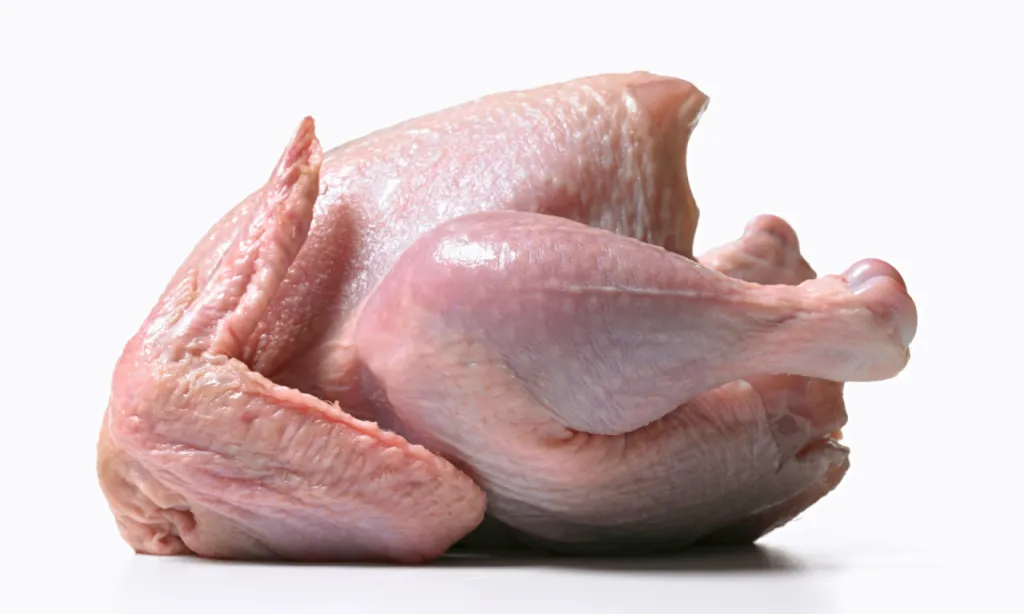
Chicken carcass is in high demand because it is easy to prepare. Its convenience makes broiler chicken carcass popular for home cooking and for special meals on certain occasions. It is no surprise, then, that many people have started businesses selling chicken carcass.
A chicken carcass is a whole chicken with the innards, head, feet, and feathers removed. Once it becomes a carcass, the chicken weighs less than it did when it was alive. The innards and other parts separated from the carcass meat are sold separately. Besides earning from the carcass meat, sellers also earn from the innards, head, feet, and other parts. Farmers and sellers should know exactly which parts make up the carcass. Here are the carcass parts you need to know:
Breast
The breast, called dada in Indonesian, is cut and sold separately or as portioned pieces. From several whole carcasses, sellers can cut out a number of breast pieces for customers, especially those who only want breast meat. The price of breast pieces is different from that of carcasses sold as mixed cuts.
Whole Chicken
Even though it is whole, the whole chicken is still one of the parts of a chicken carcass. Customers often order carcasses as whole chickens, or "whole chicken," for events such as tasyakuran, a thanksgiving gathering, and similar occasions. Village chickens (ayam kampung) are often sold whole, unlike broiler carcasses.
Read also: 5 Benefits of Raising Laying Hens Without Cages and Their Drawbacks
Upper Thigh
Besides dividing the carcass into portions of a set quantity, the carcass is also cut into specific areas. The upper thigh is one example. Many restaurants favor the upper thigh because it is savory without being dominated by meat. Some people do not like chicken that is all meat with no bone. The upper thigh offers a good balance of meat and bone, which is why this cut sells very well.
Lower Thigh
Besides the upper thigh, there is also the lower thigh. This cut is often served as the main protein in snack boxes because it is convenient and tasty.
Wings
Along with the thighs, the wings are also part of the chicken carcass. Many children like wings for their savory flavor. Wings are usually sold as a separate cut because some customers only want wing pieces.
Want to buy chicken carcass? Click this link: https://www.japfacomfeed.co.id/id/poultry/karkas-ayam
Carcass Cuts
Here are some carcass cuts you should know:
- Halves
The first carcass cut is halves. Halves are a partial cut, meaning a whole chicken is divided into two equal parts. This cut is in high demand for ater-ater, the food portions shared at wedding celebrations and other events. For this reason, as long as many people need chicken carcass, this business can be very profitable, especially during wedding season, as it is now. Carcass sellers and farmers can be flooded with orders, and the number is far from small.
- Quarters
A quarter cut is a carcass that has been halved again into smaller pieces. This cut is also used for wedding ater-ater.
- Potongan 8 (eighth cut)
The carcass piece smaller than a quarter is the eighth cut. This cut is used as the protein in snack boxes. Many snack boxes still favor chicken as the main protein, so carcass farmers and sellers can find opportunities here.
That covers the main parts of the chicken carcass and their cuts that you should know. We hope this information is useful.
Read also: 4 Advantages of Modern Broiler Farming and Its Drawbacks