5 Benefits of Free-Range Laying Hens and Their Drawbacks
Free-range laying hens can cut feed costs, help fertilize soil, and control insects, but weather-related disease and crop damage are real risks to weigh.

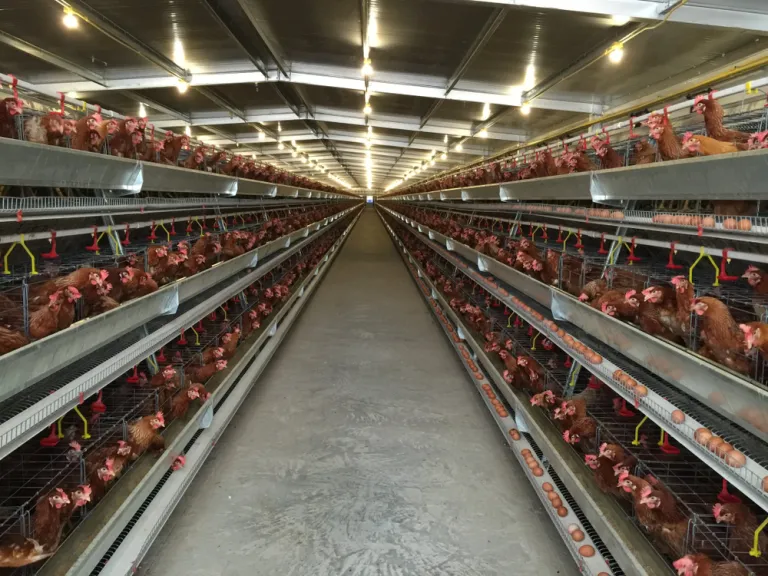
Laying hens are raised to collect their eggs. Some of them, however, can also be eaten as meat after they are culled. Like broiler chickens, raising laying hens is more complicated than raising village chickens (ayam kampung or ayam buras). Feed, housing, and other needs require extra attention to keep the death rate down.
Most people assume that both broilers and laying hens must be kept indoors. In fact, farmers can also use the umbaran system, a free-range method. Under this system, chickens move around freely without a coop, so there is no cost to build housing. Here are some benefits of raising laying hens free-range:
Contents
Also read: 4 Advantages of Modern Broiler Farming and Its Drawbacks
Laying Hens Are More Active
Free-range hens and hens kept in coops differ in how agile they are. Laying hens that roam freely are more active than those kept indoors, because they keep their natural instincts to scratch the ground for food and other things. Hens kept in coops, on the other hand, have grown used to relying on people.
Healthier Meat and Eggs
Raising laying hens free-range can produce meat and eggs that are much healthier. The hens keep their natural traits and are free from preservatives and other additives. Farmers still provide feed, but in smaller amounts than for hens confined in coops. When these hens are culled and their meat is eaten, it is also much meatier than meat from hens that stayed in coops.
Lower Feed Costs
Feed accounts for most of the spending on laying hens, since productivity drops without adequate feed. However, raising hens under the free-range system can reduce how much feed farmers need to buy. Hens in a free-range area can easily find their own food by scratching the ground with their claws.
Keeps Insects in Check
Chickens eat a wide variety of insects that roam around. If a home has many insects, chickens can help reduce them, since they like to catch and eat many kinds of insects.
Helps Keep Soil Fertile
Chickens naturally scratch and dig the ground to find food. In doing so, they can help enrich the soil, and their droppings can be used as a soil-enhancing fertilizer. Chicken manure is widely used as animal manure because it has been proven to improve soil.
Drawbacks
Every advantage comes with a drawback. The main risk farmers face is disease caused by unpredictable weather, such as the conditions we are seeing now. When the weather is unstable, chickens tend to have weaker immunity. Once a chicken becomes sick, the disease can spread easily. Chickens can also damage plants, so make sure there are no crops in the free-range area.
Also read: Parts of a Chicken Carcass and Their Cuts
The free-range system has both benefits and drawbacks, just as coop farming does. Before getting into free-range laying hen farming, make sure you understand its pros and cons, along with its potential profits and losses, so you do not end up bearing avoidable material losses.