Electric Vehicles and Sustainable Mobility: The Consumer's Role
Electric vehicles are gaining ground in an eco-conscious era. Learn how consumers, government and industry can drive the shift to sustainable mobility.

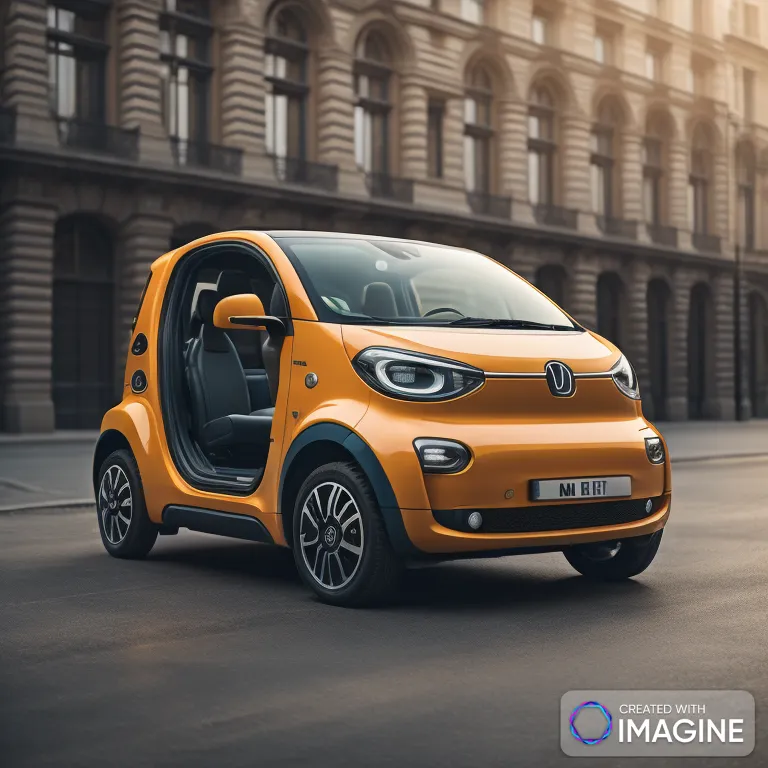
Electric vehicles have become the preferred choice in an era of increasingly eco-conscious transportation, and consumers play a key role in speeding up the shift toward sustainable mobility. This article examines the role consumers play in adopting electric vehicles and their environmental impact, evaluates public perceptions of electric vehicles, reviews awareness and education campaigns that can raise public understanding, and looks at how government and the private sector are involved in stimulating public interest in electric vehicles.
Contents
- The Consumer's Role in Adopting Electric Vehicles and Their Environmental Impact
- Public Perceptions of Electric Vehicles and Factors Shaping Purchase Decisions
- Reviewing Awareness and Education Campaigns to Raise Public Understanding
- Government and Private Sector Involvement in Stimulating Public Interest in Electric Vehicles
- Conclusion
The Consumer's Role in Adopting Electric Vehicles and Their Environmental Impact
Consumers play a central role in driving the move toward environmentally friendly electric vehicles. Choosing an electric vehicle is not just a purchase decision. It is also an act of environmental awareness with a positive impact. By choosing electric vehicles, consumers directly help reduce greenhouse gas emissions and air pollution, a crucial step in tackling global climate change.
Consumer adoption of electric vehicles also sends a strong signal to the automotive industry and governments that demand for sustainable vehicles is growing. This can encourage more innovation and investment in electric vehicle technology and accelerate the global shift toward sustainable mobility.
Public Perceptions of Electric Vehicles and Factors Shaping Purchase Decisions
Public perception of electric vehicles plays an important role in purchase decisions. Although awareness of sustainability has grown, challenges remain in convincing people that electric vehicles can be a better choice than conventional vehicles.
Price, driving range and the availability of charging infrastructure remain the main considerations for consumers. A holistic approach is therefore needed to persuade more consumers to switch to electric vehicles. This approach should include affordable pricing, longer driving range and a broader charging infrastructure network.
Reviewing Awareness and Education Campaigns to Raise Public Understanding
To increase electric vehicle adoption, awareness and education campaigns play a vital role. Many people may not yet fully understand the benefits of electric vehicles and their technology. Campaigns that provide accurate, accessible information about the advantages of electric vehicles, both economic and environmental, can help change public perceptions.

Image description: An awareness campaign highlighting the advantages of electric vehicles.
Such campaigns could involve collaboration among governments, electric vehicle manufacturers and environmental non-governmental organizations (NGOs). Clear information about government incentives, lower operating costs and the contribution to environmental protection can shift public perceptions and stimulate interest in electric vehicles.
Government and Private Sector Involvement in Stimulating Public Interest in Electric Vehicles
Governments and the private sector act as key stakeholders in stimulating public interest in electric vehicles. Fiscal incentives, tax exemptions and subsidy programs offered by the government can be strong drivers for consumers choosing electric vehicles. In addition, private sector investment in electric vehicle technology and charging infrastructure is essential for building an ecosystem that supports growth in electric vehicle use.
Partnerships among governments, vehicle manufacturers and energy companies can create a favorable environment for electric vehicle adoption. Joint initiatives may include building more charging stations, research and development of innovative technologies, and incentive programs that can boost consumers' purchasing power.
Conclusion
Consumers' role in adopting electric vehicles goes beyond purchase decisions. It is also a tangible contribution to environmental protection. Through greater awareness, education and support from government and the private sector, we can bring about a transformation toward more sustainable transportation. This is not only an individual responsibility but a broad collaboration involving all of society and stakeholders to build an environmentally friendly future.