Office Cleaning Areas Most Often Missed by Cleaners
Office cleaning areas often missed include keyboards, AC vents, door handles and fridge handles. Learn where dust and germs hide and how to clean them.

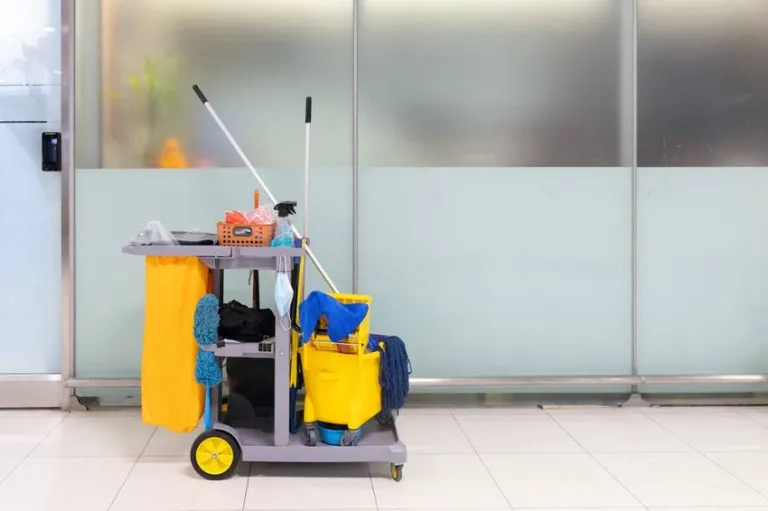
A clean office does more than look good. It also signals professionalism to clients and business partners. Yet behind a tidy, fresh-smelling space, some areas often escape the attention of the cleaning service team. These spots can become breeding grounds for dust, germs, and even bacteria that may affect employee health and productivity. This article looks in depth at which office areas are most often missed during cleaning and how to address them.
1. Keyboards, Mice, and Desk Equipment
The equipment people use most often is often the least cleaned. Keyboards, mice, and office phones are clear examples. According to research, a keyboard surface can harbor more bacteria than a toilet seat. The reason is simple: employees often eat, sneeze, or touch their faces at their desks without washing their hands first.
This area should be cleaned at least once a week using disinfectant and a microfiber cloth. Companies can also provide disinfectant wipes at every desk so employees can clean their personal equipment themselves.
2. Door Handles and Light Switches
Door handles and light switches are touch points that many people use every day. Because they are touched so often, these areas are among the most common sources of bacteria spread in an office. Unfortunately, door handles are often left out of routine cleaning schedules because they seem small and unimportant.
The solution is to add touch points such as door handles, lift buttons, and light switches to the daily cleaning checklist. Use an alcohol-based disinfectant to kill germs without leaving a sticky residue.
3. Under Desks and Chairs
Desktops are wiped often, but the area under desks and around chair legs tends to be ignored. Dust, food crumbs, and hair often collect under desks unseen. If left alone, this area can become a home for mites and small insects.
To address this, schedule a thorough cleaning at least twice a week using a vacuum cleaner with a narrow nozzle that can reach small spaces. In addition, ask the cleaning team to move chairs and clean the floor beneath them regularly.
4. Air Vents and AC Grilles
Air vents and air conditioning (AC) grilles are among the biggest sources of dust in an office. When the AC runs, dust from inside the ventilation system can spread throughout the room and cause breathing problems. Unfortunately, many cleaning teams focus only on floors and desks and overlook the air system.
The solution is to service the AC and ventilation regularly, at least once a month. Clean the air filters and vent grilles with a vacuum or a damp cloth. If needed, hire a professional to clean the AC ducts thoroughly.
5. Pantry Areas and Fridge Handles
The pantry is where employees rest and eat, yet it is often one of the dirtiest spots in the office. Fridge handles, microwaves, dispensers, and sinks are frequently missed during cleaning. As a result, grease, spilled food, and bacteria can build up over time.
Clean the pantry every day using an antibacterial cleaner. Scrub the sink regularly to prevent odors. In addition, schedule a weekly fridge cleaning to throw out expired food and keep the storage area hygienic.
6. Carpets and Corners
Carpets can trap dust, dirt, and even mold without being visible on the surface. Corners and the areas under furniture are also prone to collecting dust because standard cleaning tools rarely reach them.
To keep carpets clean, vacuum them every day and deep clean them with an extraction machine at least once a month. Clean room corners with a flexible-head tool so no spots are missed.
7. Office Phones and Remote Controls
Office phones and remote controls for projectors, AC units, or TVs are small items that pass from hand to hand. Because so many people use them, they become places where bacteria accumulate. Ironically, these items are rarely cleaned because they are not seen as a priority.
Provide alcohol wipes in every meeting room and common area. The cleaning service team should also add small items like these to the daily cleaning list.
8. Curtains, Blinds, and Windows
Window areas are often cleaned only on the glass, while curtains and blinds are left dusty. Dust clinging to curtain fabric can spread throughout the room each time the wind blows or a window is opened.
The solution is to clean curtains and blinds at least once every two weeks. Use a fabric upholstery vacuum attachment or professional dry cleaning for delicate curtain materials so the fabric is not damaged.
9. Areas Around Printers and Copiers
Printers and photocopiers often produce fine dust from paper, toner, and leftover ink. The area around them may look clean on the surface, but dust often builds up in the gaps between machine parts.
Cleaning this area requires care. Use a dry cloth and avoid liquid cleaners that could damage electronic components. Make sure the surface where the printer sits is also cleared of loose paper and small debris every day.
10. Trash Bins and the Surrounding Area
Many people assume that emptying trash bins every day is enough, but the bins themselves also need regular cleaning. Liquid waste, oil, and food crumbs often stick to the inside of bins and cause unpleasant odors.
Wash trash bins with antibacterial soap at least twice a week. Line the inside with a plastic bag so waste does not come into direct contact with the surface of the bin.
Why Are These Areas Often Missed?
There are several reasons why the office areas above are often overlooked:
-
Lack of a detailed checklist. Many cleaning services focus only on large surfaces such as floors and desks.
-
Limited time and resources. Office cleaning is often done after working hours, so the available time is very short.
-
Insufficient training. Not all staff understand which critical areas need regular attention.
-
Habit. Areas that look "clean" are often considered unnecessary to clean, even though dust and germs can build up unseen.
Steps to Improve Office Cleaning
To make sure no area is missed, companies can take the following steps:
-
Create a detailed cleaning checklist that covers hidden areas and touch points.
-
Schedule a monthly deep clean for areas that are rarely cleaned.
-
Train cleaning service staff so they understand effective cleaning techniques.
-
Use modern cleaning equipment such as HEPA vacuums, steam cleaners, and electrostatic disinfectant sprayers.
-
Involve employees in keeping their desks and personal areas clean.
A clean office is not only neat in appearance but also free from sources of illness. By paying attention to the small areas that are often missed, companies can create a healthier, more comfortable, and more productive workplace. Cleaning carefully protects the well-being of every employee, and a clean workplace reflects a company culture that cares about its people and maintains a professional image.