4 Essential Steps to Follow When Bathing Your Baby Safely
Wondering how to bathe a baby the right way? Follow these four steps on water temperature, gentle handling, rinsing soap and the right bath time.

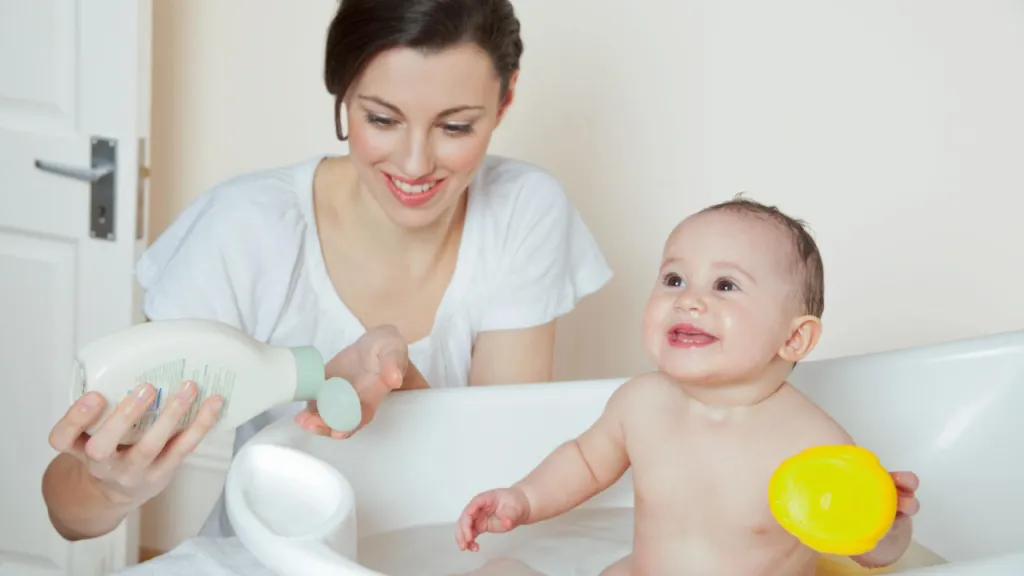
Bathing a baby works best when you follow the right steps. A baby's still-vulnerable condition is one reason why. The right bath time also matters. Do you know the correct steps for bathing a baby? Read on for the details.
Safe Steps for Bathing a Baby
-
Wash Your Hands First
Hands carry bacteria. To remove germs, wash your hands before touching your little one. When you start taking off your baby's clothes, germs that can cause illness may already be on your hands. You never know which germs and bacteria are sitting on them.
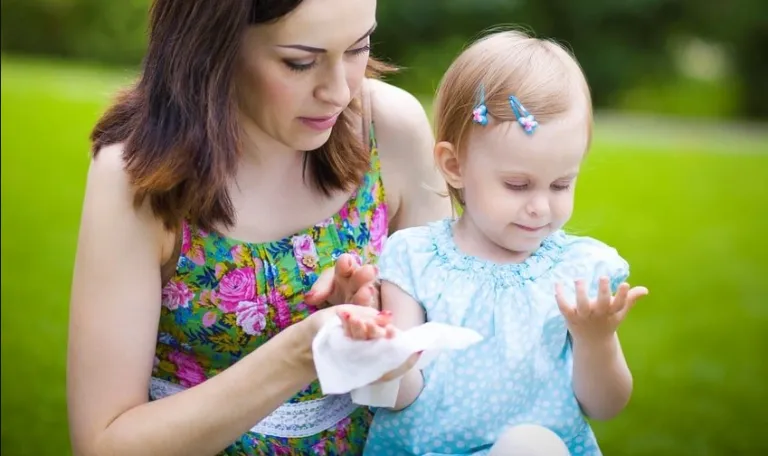
Also read Avoid Common Mistakes: Here Are 4 Tips for Using Baby Wipes
-
Check the Water Temperature
If you plan to bathe your little one, use warm water. Make sure the water is not too hot. A baby's skin is very sensitive, so water temperature can affect it a great deal. Use bath water that is lukewarm (suam-suam kuku), neither too hot nor too cold.
When the right bath time arrives, start preparing the water and check its temperature by dipping your hand in. Make sure you have already done the first step, washing your hands, so the water stays clean. Bath water can be accidentally swallowed, so the water you use must be clean.
-
Lower Your Baby Into the Tub Slowly
A sudden change in temperature can startle a baby. If your baby is startled, they will fuss, making it harder for you to bathe them. Did you know that being startled can also burn calories in the body? If this keeps happening, the nutrients your baby needs for growth will be wasted.
Lowering your baby slowly also lets you watch their expression to see whether the water temperature is suitable. When the right bath time arrives, make sure the water is lukewarm. Even so, your hand and your baby's skin have different sensitivities, so lower them gently. If your baby looks comfortable, the temperature is fine.
Also read Newborn Baby Care: 4 Tips to Keep Your Little One's Skin Healthy
-
Rinse Thoroughly and Make Sure No Soap Is Left Behind
Once you finish bathing your little one, rinse their body right away so no soap residue is left behind. Even if you use soap made for babies, it can still cause an allergic reaction. This reaction happens when the skin is exposed to foreign substances for too long or too often.
If allergy symptoms such as red rashes appear, stop using the product right away. This reaction does not show up immediately, so when the right bath time arrives, make sure no soap remains on your baby after lifting them out of the water. The skin should feel smooth, not slippery from soap.
That covers the safe way to bathe a baby. Besides these tips, you can also check the Mitu Baby blog for information on bathing supplies for your little one. You will find plenty of helpful information there.
Also read Find Out Why Bathing Your Baby at the Right Time Matters