Omega-3 Breakfast Ideas to Boost Memory and Brain Health
Boost memory with an omega-3 rich breakfast. Discover the benefits, top food sources, and five easy recipes for brain-supporting nutrition each morning.

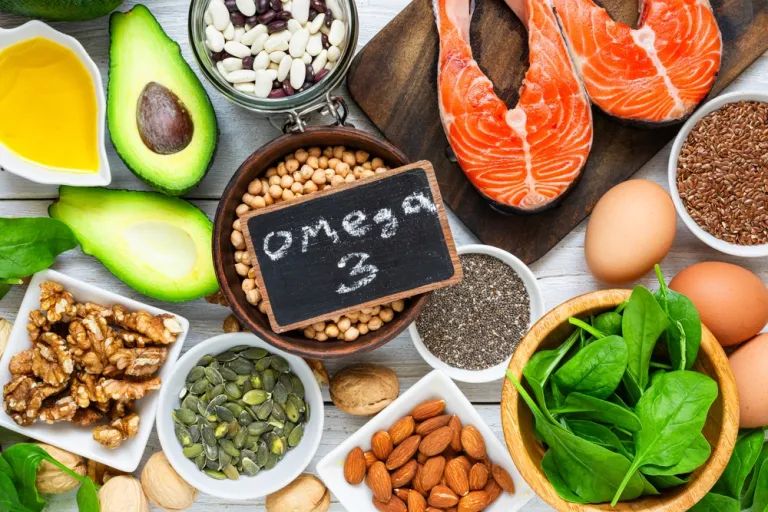
Breakfast is a key meal for starting the day with optimal energy and concentration. Choosing a breakfast rich in omega-3 fatty acids can bring significant benefits for brain health, including better memory and cognitive function. This article covers the role of omega-3 in brain health, omega-3 food sources that suit breakfast, and several simple healthy breakfast recipes you can try.
Contents
The Role of Omega-3 in Brain Health
Omega-3 fatty acids are essential polyunsaturated fats. The body cannot produce them on its own, so they must come from food. The three main types of omega-3 are ALA (alpha-linolenic acid), EPA (eicosapentaenoic acid), and DHA (docosahexaenoic acid). DHA, in particular, is a major structural component of brain cell membranes and plays an important role in brain function and development.
Research shows that adequate omega-3 intake may improve cognitive function, including memory and concentration. Omega-3 also has anti-inflammatory properties that may protect the brain from inflammation and premature aging. Some studies further suggest that omega-3 may help prevent age-related cognitive decline and reduce the risk of neurodegenerative diseases such as Alzheimer's.
Omega-3 Sources for Breakfast
Adding omega-3 sources to your breakfast can be an effective way to increase your daily intake of this nutrient. Here are some omega-3 sources that work well at breakfast:
-
Fatty Fish: Fish such as salmon, sardines, and mackerel are rich sources of EPA and DHA. Adding these fish to your breakfast can significantly boost your omega-3 intake.
-
Chia Seeds: Chia seeds are high in ALA, with about 5,000 mg per ounce. You can add them to smoothies or yogurt, or make chia pudding.
-
Walnuts (kenari): Walnuts are rich in ALA, providing about 2,500 mg per ounce. They work well as a topping for oatmeal or yogurt.
-
Flaxseed: Flaxseed is a good source of ALA. Add it to smoothies or oatmeal, or use it in baking bread.
-
Omega-3 Enriched Eggs: Some eggs are enriched with omega-3 through hen feed that contains flaxseed or algae. These eggs can be used in a variety of breakfast recipes.
READ ALSO: The Role of Nutrition in Keeping Blood Sugar Normal and Managing Diabetes
5 Omega-3 Rich Breakfast Recipes
Here are several delicious, easy-to-make breakfast recipes that support brain health and memory:
1. Green Omega-3 Smoothie
This smoothie contains antioxidant-rich spinach, flaxseed as a source of ALA, and yogurt for protein.
Ingredients:
- 1 cup fresh spinach
- 1 ripe banana
- ½ cup unsweetened Greek yogurt
- 1 tablespoon flaxseed
- 1 cup almond milk or coconut water
- 1 teaspoon honey (optional)
Instructions:
- Add all ingredients to a blender.
- Blend until smooth and well combined.
- Serve immediately.
2. Oatmeal with Walnuts and Chia Seeds
This oatmeal is rich in fiber, protein, and omega-3 from walnuts and chia seeds.
Ingredients:
- ½ cup oatmeal
- 1 cup almond milk or water
- 1 tablespoon chia seeds
- 5-6 walnuts, crushed
- 1 teaspoon honey or maple syrup
- ½ banana, sliced
Instructions:
- Cook the oatmeal with almond milk until soft and creamy.
- Stir in the chia seeds.
- Serve in a bowl topped with walnuts, banana, and honey.
3. Whole Wheat Toast with Avocado and Smoked Salmon
This breakfast provides omega-3 from salmon and avocado, along with fiber from whole wheat bread.
Ingredients:
- 1 slice whole wheat bread
- ½ avocado, mashed
- 50 grams smoked salmon
- 1 teaspoon flaxseed
- Black pepper to taste
Instructions:
- Toast the bread until crisp.
- Spread the mashed avocado over the toast.
- Top with smoked salmon.
- Sprinkle with flaxseed and black pepper before serving.
4. Omega-3 Egg Omelet with Spinach and Feta
Omega-3 enriched eggs can provide an extra dose of DHA for the brain.
Ingredients:
- 2 omega-3 enriched eggs
- ½ cup chopped spinach
- 30 grams feta cheese
- 1 tablespoon olive oil
Instructions:
- Heat the olive oil in a pan.
- Beat the eggs, then pour them into the pan.
- Add the spinach and feta cheese.
- Cook until set, fold the omelet, and serve.
5. Chia Pudding with Blueberries
Chia pudding is a healthy breakfast choice that is rich in fiber and omega-3.
Ingredients:
- 3 tablespoons chia seeds
- 1 cup almond milk
- ½ cup fresh blueberries
- 1 teaspoon honey or maple syrup
Instructions:
- Mix the chia seeds and almond milk, stirring well.
- Refrigerate for 4 hours or overnight until thickened.
- Serve topped with blueberries and honey.
All of these recipes contain omega-3 that supports brain health, helps improve memory, and promotes optimal cognitive function. Try rotating these options to make healthy breakfasts part of your everyday routine.
READ ALSO: Healthy Breakfast Ideas for People with Diabetes
Types of Omega-3
There are three main types of omega-3, each with different functions in the body:
-
ALA (Alpha-Linolenic Acid)
- Main sources: Plant foods such as chia seeds, flaxseed, walnuts, and vegetable oils.
- Function: The body can convert ALA into DHA and EPA, but only in very small amounts.
-
EPA (Eicosapentaenoic Acid)
- Main sources: Fatty fish such as salmon, tuna, mackerel, and sardines.
- Function: Has anti-inflammatory effects and supports heart and mental health.
-
DHA (Docosahexaenoic Acid)
- Main sources: Fatty fish, fish oil, and algae.
- Function: Essential for brain development, memory, and cognitive function. DHA is a major component of the brain and the retina of the eye.
Health Benefits of Omega-3
-
Supports Brain Health
- DHA is a major component of brain cell membranes.
- Omega-3 helps improve memory and may reduce the risk of cognitive decline and neurodegenerative diseases such as Alzheimer's.
-
Supports Heart Health
- Omega-3 can lower triglyceride levels in the blood.
- It may help reduce high blood pressure and prevent heart disease.
-
Has Anti-Inflammatory Effects
- EPA and DHA can reduce inflammation in the body linked to various chronic diseases.
-
Supports Eye Health
- DHA is important for retinal health and may lower the risk of macular degeneration.
-
Supports Fetal and Child Development
- DHA is very important for the brain and nervous system development of babies during pregnancy and early growth.
-
Supports Mental Health
- Omega-3 may help reduce the risk of depression, anxiety, and other mood disorders.
Final Thoughts on Omega-3
Breakfast is a crucial meal for supporting overall body and brain health. Choosing foods rich in omega-3 at breakfast can bring many benefits, especially better memory, improved cognitive function, and long-term brain health.
The three main types of omega-3 are ALA (alpha-linolenic acid), EPA (eicosapentaenoic acid), and DHA (docosahexaenoic acid). DHA is a key component of brain cells and plays a major role in maintaining memory, sharpening focus, and reducing the risk of neurodegenerative diseases such as Alzheimer's and dementia. EPA has anti-inflammatory properties that benefit heart and mental health, while ALA can be converted into small amounts of DHA and EPA in the body.
Ideal omega-3 sources for breakfast include fatty fish such as salmon and sardines, seeds such as chia and flaxseed, and omega-3 enriched eggs. Breakfasts built on these ingredients can help improve brain performance from the morning, support metabolic balance, and promote heart and nervous system health.
Omega-3 rich breakfast recipes worth trying include a green smoothie with flaxseed, oatmeal with walnuts and chia seeds, whole wheat toast with avocado and smoked salmon, an omelet with spinach and feta cheese, and chia pudding with fresh fruit.
Along with eating omega-3 rich foods, it is also important to maintain a balanced diet, avoid highly processed foods with added sugar, and get enough water and fiber at breakfast. By building these habits, your body gets the energy it needs for daily activity, supports brain health and sharper memory, and helps protect against cognitive problems later in life.
Making an omega-3 rich breakfast part of your daily lifestyle is a simple step with a big impact on the health of your brain and body as a whole.