Sugar Content in White Rice: What You Need to Know
Learn the sugar content in white rice, how it affects blood sugar levels, and simple ways to eat it wisely while staying healthy and balanced.

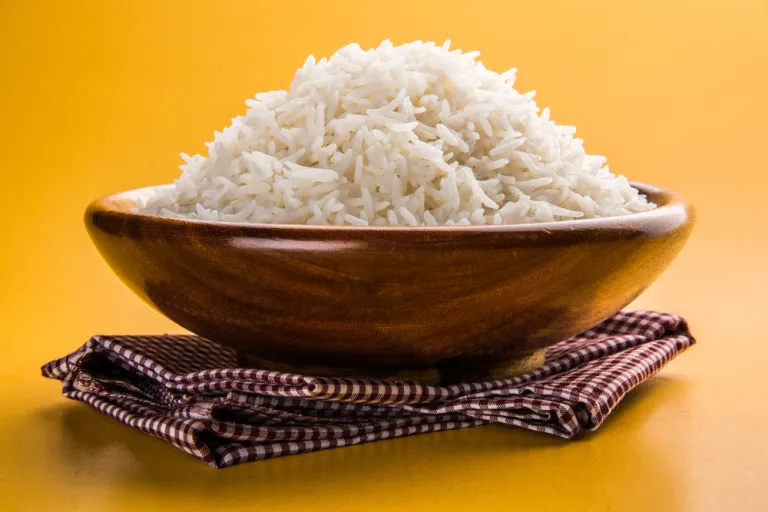
White rice is a staple food for most people across Asia, including Indonesia. Its neutral flavor, ease of preparation, and compatibility with a wide range of side dishes make it the centerpiece of many meals. Yet despite its popularity, white rice is often discussed in health contexts, particularly when it comes to blood sugar and its effects on the body. Before looking at those health effects, it helps to understand what white rice actually contains. A 100-gram serving of cooked white rice provides:
- Calories: ±130 kcal
- Carbohydrates: ±28.2 grams
- Protein: ±2.4 grams
- Fat: ±0.2 grams
- Fiber: ±0.4 grams
- Vitamin B1, B3, and a small amount of iron
White rice is made up mostly of carbohydrates in the form of starch, with a little protein and almost no fat. Its fiber content is low because the grain has been milled and polished, but it still provides energy to the body fairly quickly. This article reviews the sugar content of white rice, its effects on health, and more mindful ways to eat it.
Contents
What Is Sugar Content in Food?
The sugar content of food does not always mean table sugar, the kind people stir into tea or coffee. In nutrition, "sugar" refers to simple carbohydrates such as glucose, fructose, and sucrose. These sugars can come from natural sources like fruit, vegetables, and grains, including grains that have been processed.
When we talk about the sugar content in white rice, we mean how quickly and how much of the carbohydrate in the rice is converted into glucose in the blood. Most of the carbohydrate in white rice is starch, which the enzymes in the digestive system break down into sugar.
Carbohydrate and Sugar Content in White Rice
One cup of cooked white rice (about 158 grams) contains roughly 45 grams of carbohydrate. Nearly all of it is complex carbohydrate in the form of starch. Although white rice does not contain "sugar" directly as sucrose or glucose, the body breaks its carbohydrate down into glucose, which has a direct impact on blood sugar levels.
White rice has a high glycemic index (GI), ranging from 70 to 89 depending on the rice variety and how it is cooked. The glycemic index explained is a measure of how quickly the carbohydrate in a food raises blood sugar after it is eaten. In other words, the GI tells us how fast a food raises blood sugar once consumed. Foods with a high GI, such as white rice, cause blood sugar to rise more quickly and more sharply.
Why Does Sugar in White Rice Raise Concern?
The main concern about the sugar content in white rice is its link to metabolic diseases such as type 2 diabetes. Eating large amounts of white rice regularly, without sufficient physical activity or a balanced diet, can increase the risk of insulin resistance and blood sugar spikes, and eventually lead to diabetes.
Some studies have found that people who eat large amounts of white rice every day have a higher risk of poor blood sugar control than those who eat whole grains or other complex carbohydrates.
White Rice vs. Brown Rice: Which Is Healthier?
White rice is often compared with brown rice. Brown rice contains more fiber because it retains the bran and germ, which are rich in nutrients. This fiber helps slow the absorption of sugar into the bloodstream, which gives brown rice a lower glycemic index than white rice.
White rice, by contrast, has been milled and polished, which removes most of its fiber and natural nutrients. That makes it easier to digest, but it also raises blood sugar more quickly.
How White Rice Affects Blood Sugar
After eating, the carbohydrate in white rice is broken down into glucose, which then passes into the bloodstream. Rising glucose levels prompt the pancreas to release insulin, a hormone that helps the body's cells absorb glucose for energy.
If this process happens repeatedly because of excessive white rice consumption, the body may struggle to keep up with insulin production or become less responsive to insulin. This is known as insulin resistance, one of the main factors in the development of type 2 diabetes.
Should You Avoid White Rice?
Although white rice has a high glycemic index, that does not mean you have to avoid it completely. The key lies in portion size, how often you eat it, and what you eat it with. Here are some tips for keeping white rice part of a safe and balanced diet:
-
Pair it with fiber and protein
Eating white rice with fiber-rich side dishes, such as leafy greens, and protein from fish or chicken can slow glucose absorption and help stabilize blood sugar. -
Choose a smaller portion
Reducing the amount of white rice you eat in one sitting and replacing some of it with other carbohydrate sources, such as boiled potatoes, sweet potatoes, or brown rice, can help keep blood sugar in check. -
Try cooling the rice
Refrigerating cooked rice for several hours and then reheating it can convert some of the starch into "resistant starch," which the body digests more slowly, lowering its glycemic index. -
Move after eating
Light physical activity, such as a walk after a meal, can help the body process glucose more efficiently.
Who Should Be More Cautious?
People with a family history of diabetes, those who have prediabetes, and individuals with obesity should pay closer attention to how much white rice they eat. Choosing carbohydrates that are gentler on blood sugar is important for long-term health.
Children and teenagers who regularly eat large amounts of white rice also need guidance on the value of a balanced diet, so they can avoid metabolic problems later in life.
Healthy Alternatives to White Rice
If you want to cut back on white rice, the following alternatives are worth considering:
- Brown rice: higher in fiber and B-complex vitamins.
- Black rice: contains anthocyanin antioxidants that are good for the body.
- Quinoa: high in protein and gluten-free.
- Boiled corn or cassava: natural sources of more complex carbohydrates.
- Oats or barley: can be used as a rice substitute in certain dishes.
Conclusion
White rice is a major source of carbohydrates and has become an integral part of the Indonesian diet. The sugar in rice, in the form of easily digested starch, makes it a quick source of energy for the body. In the right portions and combinations, white rice can still provide benefits such as helping the body recover energy, being gentle on digestion, and suiting a wide variety of meals.
However, white rice has a high glycemic index, which means it can cause blood sugar to rise quickly after eating. When eaten in excess, especially without fiber and protein alongside it, white rice can contribute to a higher risk of insulin resistance, obesity, and type 2 diabetes. Because milling removes much of its fiber and micronutrients, white rice falls short nutritionally compared with whole grains such as brown rice, black rice, or quinoa.
Eating white rice does not have to be avoided entirely. With sensible portions, balanced meal combinations, and an active lifestyle, its negative effects can be minimized. For people at risk of diabetes or metabolic disorders, replacing some white rice with complex, high-fiber carbohydrates may be an effective preventive strategy.
Awareness of a balanced and informed diet is key to protecting your health. White rice can remain part of a healthy diet as long as it is eaten wisely and in line with your body's needs.