Renewable Energy Innovations: Green Solutions for the Future
Explore how renewable energy innovation, from solar and wind to geothermal, offers crucial green solutions for a cleaner, more sustainable future.

Contents
Introduction
Renewable energy has become a central focus of global efforts to reduce the impact of climate change. Renewable energy includes natural resources that replenish within a short time, such as sunlight, wind, and water. Unlike fossil fuels, which take millions of years to form, renewable sources offer a cleaner way to generate electricity and reduce carbon footprints. As the threat of climate change grows, innovation in the renewable energy sector is essential to building a greener, more sustainable future.
Types of Renewable Energy
Renewable energy comes in several forms, each with its own characteristics and benefits:
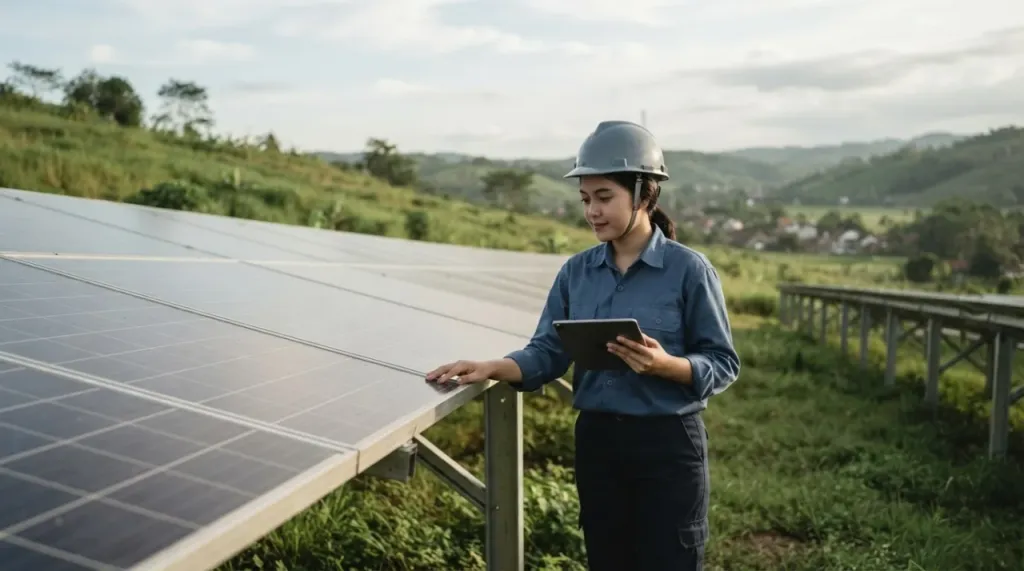
- Solar (Solar Power): Sunlight is one of the most abundant renewable energy sources. Solar panel technology keeps improving, with innovations such as solar tracking systems and flexible solar panels that boost energy harvesting efficiency.
- Wind (Wind Energy): Wind turbines use the power of moving air to generate electricity. Modern turbines are increasingly efficient, and they can even be installed offshore to capture stronger winds.
- Water (Hydropower): Water energy has long been used in hydroelectric power generation. Micro-hydro systems are now more accessible to small communities and offer environmentally friendly local solutions.
- Biomass: This energy comes from organic materials such as agricultural waste or wood. Biomass allows unused waste to become an energy source.
- Geothermal Energy: Geothermal power plants use heat from beneath the Earth's surface to generate electricity. The technology continues to advance, with deeper drilling that reaches more productive geothermal heat.
Current Innovations in Renewable Energy
Innovation is a key driver in developing renewable energy that is more efficient and easier to access. In solar power, for example, advances in multi-layer solar panels can capture more sunlight, producing more energy per square meter. In wind energy, floating turbines now make it possible to tap wind in deep waters that were previously out of reach.
Tidal energy is also attracting major attention as one of the newest innovations. By harnessing the steady movement of seawater, this technology offers a more consistent energy supply than solar and wind. In addition, innovation in geothermal energy is highly significant, particularly in improving efficiency and reducing drilling costs for using energy from beneath the Earth's surface.
Challenges and Opportunities in Renewable Energy Development
Although renewable energy holds great potential, several challenges must be addressed. The upfront cost of installing renewable energy systems is often high, although these costs continue to fall as technology advances. Moreover, integrating renewable energy into power grids requires more advanced infrastructure to ensure the stability and reliability of the power supply, especially when relying on weather-dependent sources such as sunlight and wind.
However, advances in energy storage technology, such as lithium-ion batteries and hydrogen, can help solve this problem. Storage allows energy generated during peak sunlight or strong winds to be saved and used when needed. Government policy support is also key to accelerating the shift to renewable energy, through incentives and regulations that encourage green investment.
Social and Environmental Benefits
Renewable energy does more than cut carbon emissions. It also brings significant social benefits. Renewable energy contributes to better air quality, which directly affects public health, especially in large cities affected by air pollution.
The sector also creates new jobs in the green industry. Work in installing and maintaining solar panels, wind turbines, and other energy infrastructure provides economic opportunities for many people, particularly in rural areas.
The Future of Renewable Energy
As more countries commit to 100% renewable energy targets, the outlook for renewable energy looks promising. Innovation in green energy continues to expand what these technologies can do, making them increasingly efficient and affordable. Over the next decade, renewable energy is projected to become the dominant energy source in many countries, supported by policies that increasingly prioritize environmental sustainability.
Conclusion
Innovation in renewable energy is key to the world's transition toward cleaner, more sustainable energy. Challenges such as upfront costs and infrastructure remain, but the long-term benefits far outweigh these obstacles. From solar power to geothermal energy, innovative green solutions will continue to play a vital role in protecting the planet for future generations.