A Stable Slope Can Save Thousands of Lives From Landslides
Slope protection is an investment, not just construction. A single stable slope can prevent landslides and save thousands of lives in hilly areas.

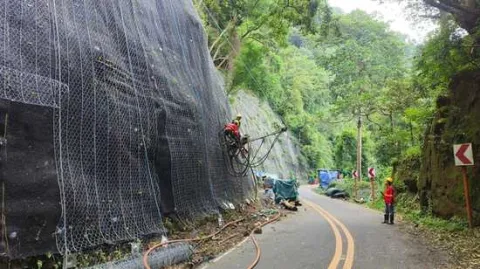
Over the past few decades, landslides have become one of the biggest threats to tropical and mountainous regions of Indonesia. Hundreds of incidents are recorded every year, claiming lives, destroying infrastructure, and disrupting local economies. Behind all of this is a factor that often gets overlooked: slope stability. A stable slope is not only a technical construction issue. It is also a matter of human safety and environmental sustainability. The phrase "One Stable Slope Can Save Thousands of Lives" is not just a slogan. It is a real reminder of why planning, design, and proper slope protection systems matter.
Contents
- Slopes and the Risks Behind Natural Beauty
- Why Slope Protection Is Critical
- Types of Slope Protection
- Case Studies: When a Stable Slope Made the Difference
- Social and Economic Impact of Stable Slopes
- Common Challenges and Mistakes
- Technology Integration and Sustainability
- A Stable Slope, a Safer Future
Slopes and the Risks Behind Natural Beauty
Indonesia is known for its stunning terrain, from green mountain ranges and steep valleys to rolling hills. Behind that beauty, however, lies a serious disaster risk. High rainfall, loose soil layers, and human activities such as logging or building roads on steep terrain create a perfect combination that can trigger a landslide at any time.
An unstable slope typically faces pressure from above and loses its load-bearing capacity at the base. When rainwater seeps in and worsens these conditions, soil masses can slide rapidly. Within seconds, a settlement, a highway, or even a bridge can be buried. This is why slope stabilization is not just a technical requirement for a project. It is also a matter of social responsibility.
Why Slope Protection Is Critical
Slope protection, or slope stabilization, aims to keep soil from shifting or collapsing. The principle is straightforward: control water pressure, strengthen the soil structure, and minimize erosion. Applying it well, however, requires a deep understanding of geotechnical conditions, hydrology, and the interaction between nature and human activity.
In infrastructure projects such as toll roads, railways, dams, or residential areas in hilly regions, slope protection is a vital element. Without it, the risk of structural failure rises significantly. Such failures threaten the safety of workers and nearby communities and can cause economic losses reaching billions of rupiah.
Types of Slope Protection
Engineers use a range of slope protection methods, from conventional approaches to modern ones.
-
Revetment and Shotcrete
Revetment uses river stones or concrete to line the slope surface, making it resistant to erosion and water pressure. Shotcrete, which is concrete sprayed directly onto the slope surface, strengthens the soil structure and helps prevent collapse. -
Geosynthetics and Geogrids
Modern technology introduces geosynthetic materials such as geomats, geotextiles, and geogrids to improve soil bearing capacity and control water flow. These materials are lightweight, easy to install, and environmentally friendly, which has made them a popular choice in large infrastructure projects. -
Vegetative Slope Protection
This natural approach involves planting vegetation on slopes. It not only beautifies the landscape but also reinforces the soil through plant roots. The system suits tropical regions like Indonesia, which receive high rainfall. -
Slope Drainage
Water is the main enemy of slope stability. Drainage systems such as perforated pipes, subsurface channels, and water retaining walls help reduce hydrostatic pressure that can cause soil to shift. -
Soil Nailing and Anchoring Systems
This method uses steel bars (nails) or anchors to reinforce the soil structure from within. It is suited to slopes with extreme gradients or large-scale projects such as mountain toll roads.
Case Studies: When a Stable Slope Made the Difference
In several parts of Indonesia, slope protection has proven to save many lives. One example is the Trans-Sumatra road project, which crosses steep terrain in Lampung and Bengkulu. Before protection systems were installed, landslides closed the main road access every rainy season. After combining geogrids with protective vegetation, stability improved significantly, and the risk of landslides dropped by up to 80%.
Another example comes from an open-pit mine in Kalimantan. With soil nailing and proper drainage, the risk of mine wall collapse was minimized. This not only protected workers but also helped sustain production and the local economy.
Social and Economic Impact of Stable Slopes
Slope stability has a domino effect on community well-being. When slopes are safe, transport routes stay open, goods keep moving, and local businesses continue to operate. For nearby residents, a stable slope means safe homes and peace of mind every time heavy rain falls.
Slope protection projects also create new jobs, particularly in civil engineering, maintenance, and environmental conservation. From a macroeconomic perspective, stable infrastructure in hilly regions strengthens regional competitiveness and attracts new investment.
Common Challenges and Mistakes
Unfortunately, many projects still neglect thorough geotechnical analysis. Some of the most common mistakes include:
-
Lack of an adequate drainage system.
-
Selecting materials that do not match soil conditions.
-
Installing geosynthetics without considering the direction of water flow.
-
Using vegetation without strong roots to bind the soil.
A small mistake during the planning stage can have disastrous consequences later. That is why involving geotechnical experts and experienced planners is essential for any project that affects slope stability.
Technology Integration and Sustainability
As technology advances, slope protection is no longer limited to structural aspects. Digital monitoring systems based on sensors and the Internet of Things (IoT) allow slope conditions to be tracked in real time. These sensors can detect ground movement, pore water pressure, and soil moisture. The collected data is then processed by analytical systems to provide early warnings before a landslide occurs.
Sustainability is also becoming a global trend. Modern slope protection designs aim to be not only strong and efficient but also environmentally friendly. Biodegradable materials, local vegetation, and natural drainage systems are used to create harmony between technology and nature.
READ ALSO: Best Technology in Mining Batching Plants Today
A Stable Slope, a Safer Future
When a slope is well maintained, its impact goes far beyond what meets the eye. It does not only hold back soil. It also holds back disaster. It is not merely an engineering structure but a reflection of human responsibility toward nature and fellow people.
A stable slope ensures that children can walk to school without fear, that farmers can bring their harvests to market without obstacles, and that national infrastructure can withstand extreme weather.
Building one stable slope means protecting thousands of lives, safeguarding the economy, and preserving the balance of nature. In every development project, on every hill and cliff, there should be an awareness that safety does not begin with the grand structure above it. It begins with the stable foundation beneath it: a solid slope, well protected.
One stable slope can truly save thousands of lives.