Tips for Raising Chickens Without Bad Smell or Mess
Practical chicken farm odor tips covering feed, manure, carcass disposal, wastewater and fertilizer use to keep your coop smelling fresh and clean.

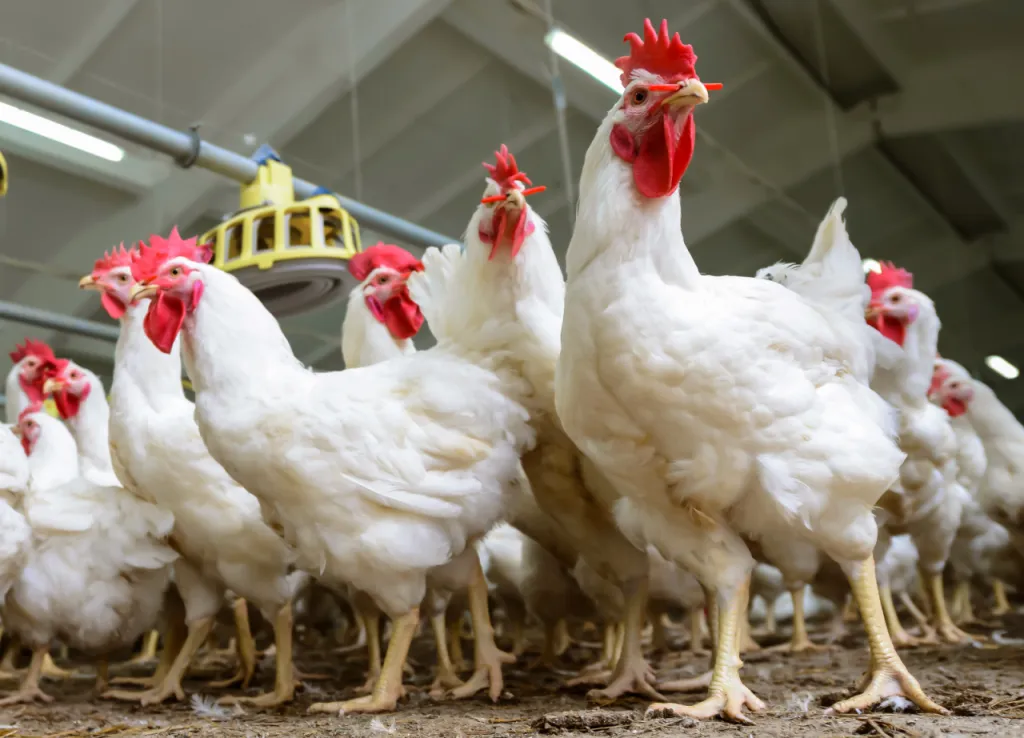
Want to raise chickens but worried about the smell? If so, here are some tips you can follow to reduce the unpleasant odor from your chicken farm.
Choosing the right feed
One way to help reduce odor from your chicken farm is to choose the right type of feed. To cut down on smells in the coop, avoid feed with small particle sizes. You can also lower the protein content in the feed mix. Another option is to add certain ingredients to the feed that can reduce unpleasant smells from your coop. Don't forget to clean the coop regularly to remove spilled feed. If spilled feed is left to sit, it can rot and create a bad smell.
Controlling the smell from chicken manure
Chicken manure is one of the main sources of bad smells in your chicken coop. For that reason, clean up the manure regularly. You can collect it, since chicken manure can be used as fertilizer. There are other ways too. To reduce the smell of manure that remains in the coop, you can spread a pile of straw in the coop. The straw traps ammonia gas so it does not cause odor.
Disposing of dead birds safely
If you raise chickens, it is not unlikely that some will die, right? When a bird dies, you should remove and dispose of it as soon as possible. Leaving a carcass in the coop will cause it to rot. As a carcass decays, its smell can disturb the surrounding area and can also affect the health of the chickens still alive.
Read also: Uses of Broiler Chicken Farming and Their Benefits
Destocking
Destocking is an effort to reduce the number of chickens in the coop. It is also one way to help reduce unpleasant odors from your coop. This is because destocking involves driving the birds out, and this activity helps push the smell out of the chicken coop. But before you destock, make sure you close the coop with curtains so the smell does not spread.
Managing wastewater properly
Broiler chicken coops are cleaned with water. So where does that water go? Wastewater used to clean the chicken coop should be managed properly. First, collect the dirty water used for cleaning. Then, send the wastewater to a wastewater treatment system that you have set up. Only after the water has been treated and is no longer harmful to the environment should it be discharged into the proper drainage channel.
Use chicken manure as fertilizer instead of throwing it away
As mentioned earlier, chicken manure can work as fertilizer. You can use this fertilizer yourself or sell it to others. When storing chicken manure meant for fertilizer, keep it in a completely dry place so it does not develop mold. It should also be well covered to keep the smell from spreading. If you plan to use manure from your chickens as fertilizer, do it the right way. To keep odor from spreading and bothering your neighbors, spread the fertilizer according to the direction of the wind. Spread it when the wind is blowing toward an area with no residents or with residents who are quite far away.
Read also: Benefits of Cage-Free Laying Hen Farming