How to Choose and Judge a Fresh Whole Chicken Carcass
Learn how to choose chicken carcass that is fresh and whole. Check skin texture, water content, meat color, smell, flies and packaging before you buy.

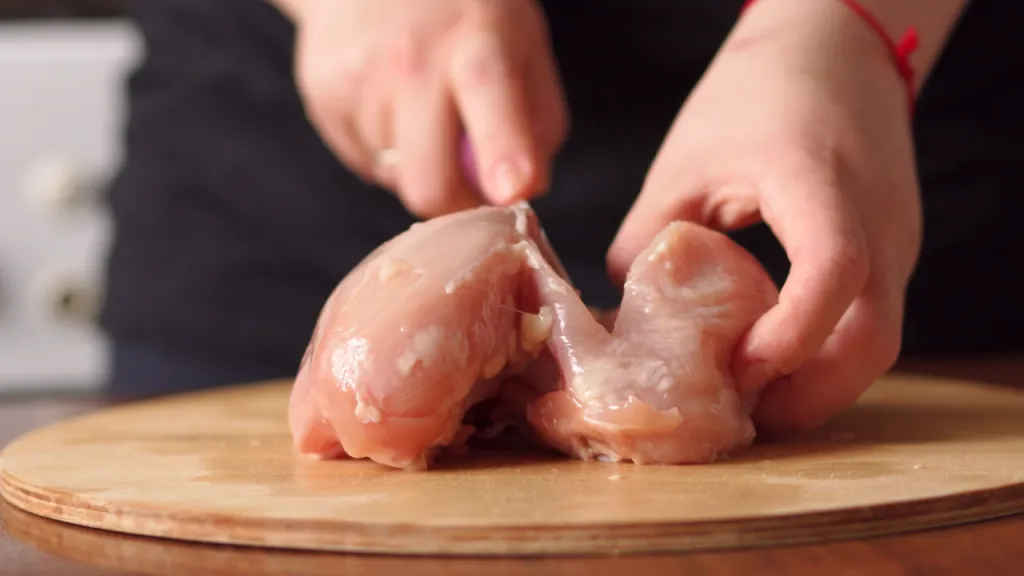
Not many people know how to choose a high-quality whole chicken carcass. Yet to get the most nutrition from this animal protein source, you need to know how to pick chicken meat that is still good.
How to Choose and Tell a Fresh, Whole Chicken Carcass
Chicken carcasses are in demand mainly for cooking whole dishes such as ayam panggang ingkung (a whole roasted chicken), rotisserie chicken or ayam kodok, which all need an intact bird. Choosing high-quality whole chicken is essential for a tasty, healthy meal, and for confirming that the chicken was properly slaughtered and did not die from unnatural causes. Use the tips below when you pick a whole chicken.
Read also: Parts of a Chicken Carcass and Their Cuts
Check the Skin Texture
One easy way to tell whether a chicken carcass is still good is to touch and gently rub the skin. Good whole chicken has smooth, shiny skin. When you press it, the skin feels firm and elastic, and the fibers look intact. In contrast, a carcass that has begun to spoil or holds too much water will have fibers that break apart easily or lose their shape. Likewise, skin that feels sandy or powdery suggests the chicken has been coated with chemicals.
The Meat Should Not Contain Excess Water
Chicken, fish and other meats all contain some water, but not in excessive amounts. If you press a chicken carcass and a lot of liquid seeps out of its pores, the bird was likely given large amounts of water before slaughter. This shortchanges consumers because the meat weighs more than it should.
Look at the Color of the Meat
Beyond water content, pay attention to the color of the meat. A good chicken carcass is white with a light pink tinge, looks fresh and has no bruises. Bruising indicates that the bird died abnormally or was struck by a hard object. Meat that is wilted or starting to spoil turns pale or bluish.
Check the Smell
A good chicken carcass smells like fresh chicken, clean and not sour or rancid. If the meat smells sour or has no smell at all, it is probably unfit to eat. It may also have been treated with dangerous preservatives or come from ayam tiren, a chicken that died without being slaughtered.
Watch for Flies Around the Meat
Flies are known to carry disease, but this insect can help you judge whether a chicken carcass is still good. When you buy a whole chicken at the market, check whether flies are landing on the meat. If no flies are around it, the meat may have been treated with preservatives or other chemicals.
Check the Packaging
If you buy a chicken carcass at a supermarket, examine its packaging. Avoid meat in packaging that is damaged or torn. Torn packaging cannot protect the meat well, so dust and germs can easily get inside. Choose chicken that is intact and neatly wrapped.
These are some of the tips you can use to tell apart and choose a chicken carcass that is still good and fresh. By following them, you can serve your family tastier and healthier meals.
Read also: 4 Benefits of Modern Broiler Farming