Rooftop Solar in Indonesia: A Government Push to Cut Power Costs
Rooftop solar Indonesia is a government priority. Explore SUN Energy's systems, installation costs from Rp 25 million and potential bill savings.

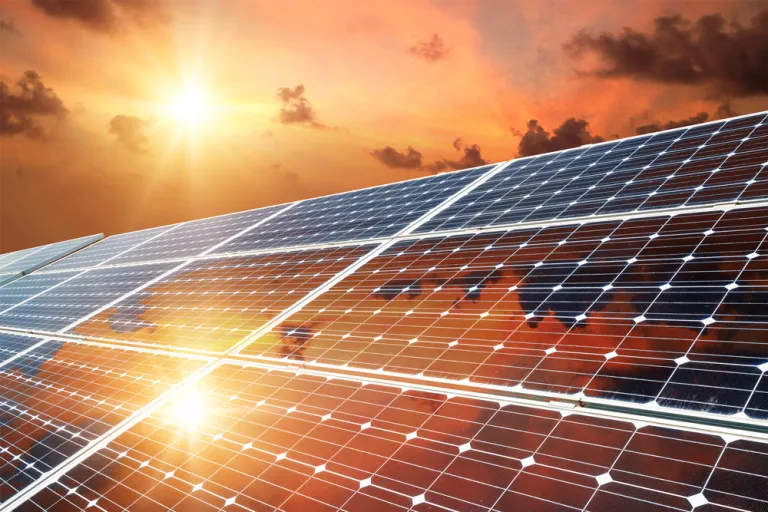
One of SUN Energy's most widely used products, and one the government is actively promoting, is the rooftop solar power plant (PLTS atap). Like SUN Energy's other products, rooftop solar is designed to lower electricity costs and reduce the fuel needed to generate power.
Contents
Rooftop Solar Becomes a Government Target for New and Renewable Energy (EBT)

The government is currently drafting the National Energy Strategy, which makes rooftop solar a priority for the Ministry of Energy and Mineral Resources (ESDM) as it works to expand new and renewable energy (EBT). Under this plan, the government has set a target of 23 percent by 2025, because solar is the fastest route to clean energy.
The sun shines everywhere, and its heat can be felt in every region of Indonesia. The country is also tropical and straddles the equator, which makes its climate well suited to solar power development, including rooftop installations.
The ESDM ministry is also preparing a Grand Energy Strategy focused on medium-term energy planning through 2035. The program also aims to reduce or even end Indonesia's reliance on imported fuel oil.
The effort is also a first step toward shifting the country from fossil fuels to renewable sources, such as harnessing the sun's heat. The plan also supports electrification, especially in remote areas that still depend on diesel power plants (PLTD) for their electricity.
If the rooftop solar program succeeds and reaches every corner of Indonesia, remote areas could also gain access to electricity from solar panels. SUN Energy is ready to contribute to the success of the government's rooftop solar program and to help meet its targets.
SUN Energy's Rooftop Solar Projects
As a rooftop solar provider, SUN Energy began work in early 2021 on a rooftop solar project at Lake Batur in Bali and another for a regional state-owned plantation enterprise (BUMD) in South Sumatra. Both installations are intended to supply drinking water to support business operations.
Earlier, SUN Energy also built a rooftop solar system for a company in Cikarang, West Java. Rooftop solar is practical because it can be installed on water surfaces, on building roofs, or over parking areas. This flexibility is one of its main attractions.
In addition, rooftop solar can cut electricity use by up to 30 percent. For companies or industries with high power consumption, this can be a significant advantage, since it can lower production costs. SUN Energy's subsidiary, SUNterra Solar Panel, is also targeting households with rooftop solar.
Rooftop solar is also highly beneficial for homes, as it can reduce both electricity use and monthly bills. So start using solar panels from SUN Energy to lower your power consumption and the electricity bills you have to pay.
The residential sector will be SUN Energy's main focus next year. It has strong potential and often drives innovation that can raise a company's valuation. As a result, SUN Energy will fully support the government's rooftop solar program.
How Much Does SUN Energy Rooftop Solar Installation Cost?
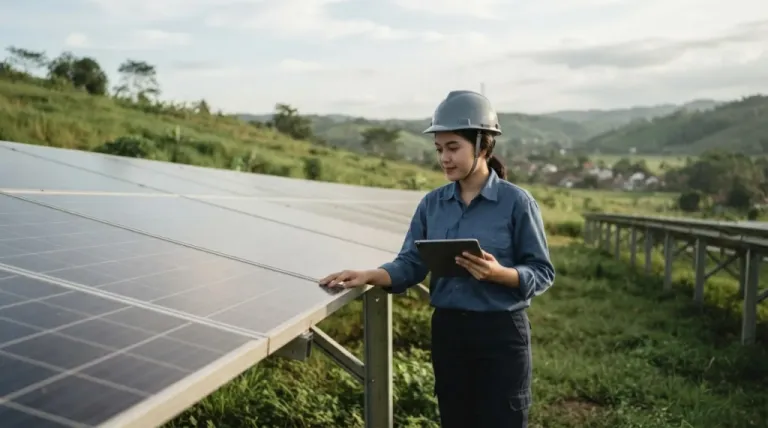
The cost of installing SUN Energy rooftop solar varies depending on the technology used and the installation site. SUN Energy's subsidiary that handles rooftop solar installation offers four product types, ranging from 1 kWp to 4 kWp (kilowatt-peak). Each product has its own price and benefits.
The 1 kWp product costs about Rp 25 million, and the 4 kWp product costs about Rp 70 million. For the 4 kWp system, you could save up to Rp 8 million per year on your electricity bill. You can also pay in installments, and there is currently a discount.
To expand the use of rooftop solar, SUN Energy is also partnering with state-owned enterprises (BUMN), namely LEN Industri and Wika. The partnership aims to raise the domestic content level (TKDN), which is currently at 40 percent. The collaboration also addresses solar panels, which are still imported from abroad.
The Ministry of Energy and Mineral Resources of the Republic of Indonesia is planning a solar power program for a future Indonesia with cleaner electricity. SUN Energy will actively support the government's program by promoting rooftop solar adoption among Indonesian households.