Vascular Interventional Radiology Procedures: What to Know
Learn the main vascular interventional radiology procedures: thrombolysis, angioplasty, intravascular ultrasound and angiography, and what each is used for.

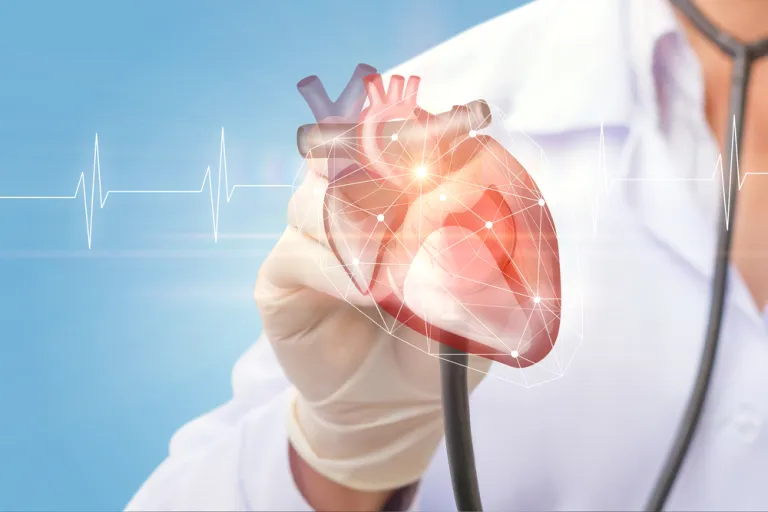
As technology advances, it becomes easier for people to get treatment. One example is radiology performed by vascular interventional radiology specialists. Several procedures can be carried out with this type of radiology. What are they? Read on to find out.
Procedures Performed With Vascular Interventional Radiology
- Flushing or Thrombolysis Injection
This procedure dissolves clots that block a blood vessel. It allows patients with coronary heart disease to be treated without surgery.
This is because coronary heart disease involves clots in the blood vessels of the heart. However, the procedure is not limited to patients with vascular disease. Patients who have a stroke caused by a clot in the blood vessels of the brain can also receive it.
- Angioplasty
Another procedure performed by vascular interventional radiology specialists is angioplasty. This procedure widens the diameter of a blood vessel. It is usually done with a balloon-like device.
The procedure is then followed by placing a stent. The stent keeps the widened vessel open. This procedure is commonly performed on patients with narrowed blood vessels. Examples include coronary heart disease and narrowing of the blood vessels in the legs.
Read also: Conditions Treated by Vascular Intervention
- Intravascular Ultrasound
Intravascular ultrasound is another commonly used procedure. It involves inserting an ultrasound device into a blood vessel. The goal is to get a clearer view of a blood vessel that has a problem or an abnormal condition.
- Angiography
Another procedure a vascular interventional radiology specialist can perform is angiography. Angiography creates images of the blood vessels in an organ that is having a problem or is believed to be diseased.
It is done when a blockage in the blood vessels is suspected. Examples include coronary heart disease, stroke, and other conditions. As a result, this procedure can be a useful way to identify problems in the blood vessels.
These are some of the procedures commonly used to detect or identify problems in the blood vessels. With them, patients can learn more about the problem or disease they have. This makes it easier to receive appropriate treatment that matches their condition.