Types of Vascular Diseases Treated With Vascular Intervention
Learn which vascular diseases vascular intervention can treat, from peripheral artery disease and aortic aneurysm to carotid artery disease and DVT.

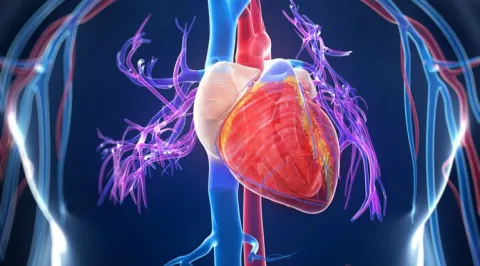
The vascular system plays a vital role in circulating blood throughout the body through the work of the heart. However, problems in the blood vessels can disrupt the heart's function. That is why vascular intervention is needed to treat these conditions. Read on to learn about several types of vascular disease.
5 Types of Blood Vessel Disease
-
Peripheral Arterial Disease
Peripheral arterial disease (PAD) is a condition caused by blocked blood flow. It happens when the arteries that carry blood away from the heart narrow. The disease most often affects the arms, legs and feet.
People with this disease usually have no symptoms at first, and the problem develops slowly. However, PAD left untreated can become serious and dangerous. For example, tissue can die, which greatly raises the risk of amputation. That is why vascular intervention is essential for diagnosing this condition.
-
Abdominal Aortic Aneurysm
Another dangerous vascular problem is abdominal aortic aneurysm. It occurs when the aorta, the body's main artery, bulges in the abdomen. As the aortic wall weakens, the condition can develop slowly without causing serious symptoms.
The aorta, which carries oxygen-rich blood, normally has a thick wall. Its weakening can be caused by several factors, including infection, high blood pressure, injury, blocked blood vessels and other genetic factors. A severe aneurysm can lead to heavy bleeding.
Read also: Procedures in Vascular Interventional Radiology
-
Carotid Artery Disease
Vascular intervention methods can also be used to treat carotid artery disease. This condition is caused by blocked blood vessels due to a buildup of cholesterol. Problems in the vessels that deliver blood to the brain and head carry a high risk of stroke.
-
Lymphedema
Lymphedema (limfedema) can also be treated with intervention. The disease is marked by swelling in the legs or arms and can result from swelling of the lymph vessels. Patients with lymphedema often experience pain, stiffness and difficulty moving.
-
Venous Disease
Vascular problems can also affect the veins. Diseases or abnormalities that obstruct venous blood flow can cause swelling and pain in certain areas. These conditions include varicose veins, thrombophlebitis and deep vein thrombosis (DVT).
Diseases of the blood vessel system are dangerous because these vessels play a vital role in circulating blood throughout the body. If you notice symptoms of these problems, contact Heartology Cardiovascular Center. Its team of specialist doctors and advanced equipment guarantees optimal care.
One cardiologist with extensive experience in vascular intervention is dr Suko Adiarto, who now practices at Heartology. He is part of the specialist cardiology team with expertise in cardiac and vascular intervention. Find a suitable practice schedule and book an online appointment with a cardiologist through the Heartology website.